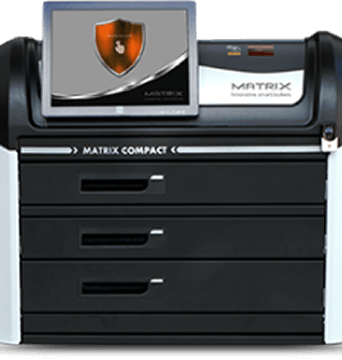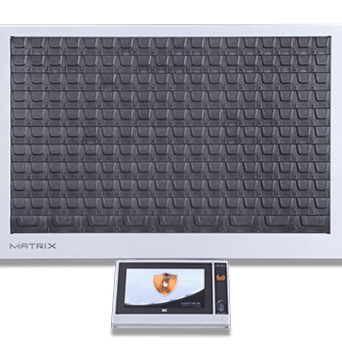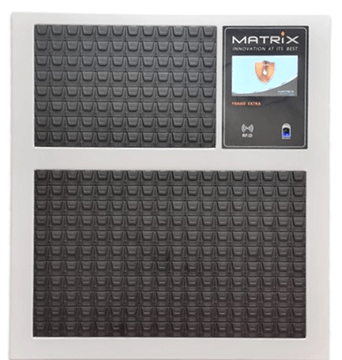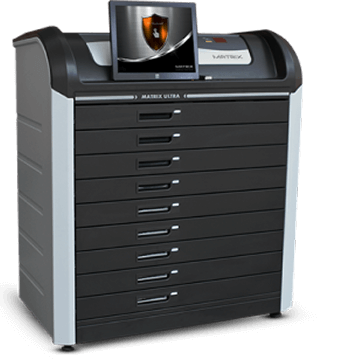
A key management system is a secure solution that stores, tracks, and controls access to physical keys using authentication, logging, and automation. Choosing the right key management solution depends on your organization’s size, security needs, and operational complexity. For corporate environments, a well-implemented system reduces risk, improves accountability, and streamlines daily workflows.
What Is a Key Management System and How Does It Work?
A key management system is far more than a storage cabinet for keys. It is a centralized control mechanism designed to manage the full lifecycle of physical keys, from issuance and tracking to return and auditing. In modern organizations, especially those with multiple employees, departments, or locations, keys represent access to critical assets such as offices, vehicles, equipment, and restricted areas. Without a structured system, managing these keys becomes inefficient and risky.
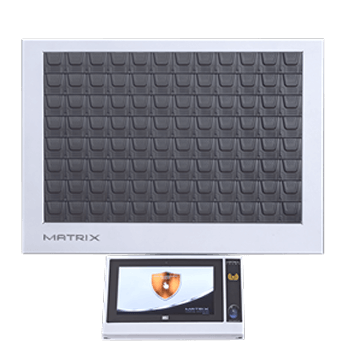
At its core, a key management solution combines hardware and local software to ensure that only authorized individuals can access specific keys, while every interaction is recorded in the local database. When an employee needs a key, they authenticate themselves using credentials such as a PIN code, RFID card, or biometric scan. Once authenticated, the system grants access only to the keys assigned to that user’s role.
Behind the scenes, the system logs every action within the organization’s internal network. It records who took the key, when it was taken, and when it was returned. This creates full transparency and eliminates guesswork. In environments where compliance and security are critical, such as corporate offices or regulated industries, this level of on-site control is essential.
The lifecycle of a key management system typically includes:
- Key registration and assignment to specific users or roles
- Secure storage in a controlled cabinet or system
- User authentication before access
- Internal network tracking of key usage
- Automatic email alerts for overdue or missing keys
- Detailed reporting and local audit logs
This structured approach transforms key handling from a manual, error-prone process into a controlled and optimized workflow within your private network.
Why Key Management Solutions Are Critical for Corporate Offices
In corporate environments, managing access is a constant challenge. Offices often have multiple entry points, shared spaces, sensitive departments, and valuable equipment. Without a proper key management for corporate offices strategy, organizations face risks such as lost keys, unauthorized access, and operational inefficiencies.
A modern key management system addresses these challenges by introducing structure and accountability into daily operations. Instead of relying on manual sign-out sheets or informal processes, companies gain full visibility and control over who accesses what through the internal management software.
For corporate offices, the impact is significant. Security is strengthened because only authorized personnel can access restricted areas. Accountability improves because every action is recorded and traceable locally. Operational efficiency increases because employees no longer waste time searching for keys or resolving access issues.
In addition, a well-implemented key management solution supports internal policies and compliance requirements. Many organizations must demonstrate control over access to certain areas or assets. With automated logs and reporting stored on the local server, this becomes straightforward and secure.
Types of Key Management Systems
Not all key management solutions are the same. Understanding the different types of systems is essential when choosing the right solution for your organization.
Mechanical Key Cabinets
Traditional key cabinets rely on manual processes. Keys are stored in a locked box, and access is controlled by a physical lock.
- Low cost and simple setup
- No tracking or audit capabilities
- High risk of human error and misuse
Electronic Key Cabinets
These are the most common modern key management systems. They combine secure storage with digital authentication and tracking.
- User authentication via PIN, RFID, or biometrics
- Internal network tracking and logging
- Email-based alerts and reporting features
- Suitable for most corporate environments
On-Premise & VLAN-Based Key Management Solutions
These systems offer maximum security by connecting through the organization’s secure local network or VLAN, allowing for centralized management without external internet dependency.
- Centralized control across multiple branches via a private network
- Secure access to data and reports within the corporate LAN
- Integration with other internal enterprise security systems
- Full data sovereignty with no reliance on external cloud services
Integrated Security Systems
Advanced solutions integrate with broader security infrastructure such as local access control systems, surveillance, and internal enterprise software.
- Seamless integration with existing on-site systems
- Enhanced automation and control within the facility
- Ideal for large enterprises and high-security environments
Each type of key management system serves different needs, and the right choice depends on your organization’s scale, complexity, and security requirements, with a focus on local infrastructure stability.
Key Benefits of a Key Management System
Implementing a key management solution delivers measurable benefits across security, operations, and compliance.
A major advantage is enhanced security. By restricting access to authorized users only, organizations significantly reduce the risk of theft, misuse, or unauthorized entry. Unlike manual systems, digital solutions ensure that access cannot be easily bypassed, keeping all security protocols within the local network.
Another critical benefit is accountability. Every action is logged in the local database, creating a transparent record of key usage. This eliminates disputes and provides clear answers when issues arise.
Operational efficiency is also improved. Employees no longer waste time searching for keys or managing manual logs. The system automates these processes, allowing teams to focus on their core responsibilities while administrators receive updates via email.
Additional benefits include:
- Reduced key loss and replacement costs
- Improved compliance with internal and external regulations
- Internal network visibility into key usage
- Faster response to security incidents
- Scalability within the corporate VLAN infrastructure
How to Choose the Right Key Management System
Choosing the right key management system is a strategic decision that impacts both security and operations. Rather than selecting a solution based on features alone, organizations should follow a structured evaluation process focused on on-premise reliability.
First, it is essential to define the use case. Different industries and organizations have different requirements. A corporate office managing meeting rooms and equipment will have different needs compared to a car dealership managing vehicle keys.
Next, organizations should assess the scale of their operations. The number of keys, users, and locations will influence the type of key management solution required. Systems should be able to handle current needs while allowing for future growth within the local network.
Security requirements must also be considered. Organizations should determine the level of authentication needed and whether features such as biometric access or multi-factor authentication (managed through local server protocols) are necessary.
Integration is another critical factor. A modern key system manager should be able to integrate with existing internal systems such as local access control or on-site HR platforms.
Finally, budget plays a role. While cost is important, it should not be the primary decision factor. A cheaper system that lacks essential local security features may lead to higher costs in the long run due to inefficiencies or security risks.
Key Management System Pricing – What to Expect
Pricing for key management solutions varies based on system size, features, and level of customization, particularly for on-premise deployments.
Small systems designed for limited use cases typically start at a few thousand dollars. These systems offer basic functionality such as secure storage and simple tracking on a local workstation.
Mid-range solutions, suitable for most corporate offices, include advanced authentication, reporting, and integration capabilities with the local network. These systems provide significantly greater value through automation.
Enterprise-level key management solutions can reach higher price ranges due to their scalability across a VLAN, customization, and integration with broader security infrastructure.
Factors that influence pricing include:
- Number of keys and users
- Type of authentication (PIN, RFID, biometrics)
- Local network integration requirements
- On-premise deployment and database setup
- Support and maintenance services
Understanding these factors helps organizations make informed decisions and avoid unexpected costs while maintaining full control over their data.
Common Mistakes When Choosing a Key Management Solution
Many organizations make avoidable mistakes when selecting a key management system, often leading to inefficiencies or security gaps.
One common mistake is choosing based on price alone. While budget is important, selecting a low-cost solution without essential security features can create long-term issues.
Another mistake is ignoring scalability within the private network. Organizations often choose systems that meet current needs but cannot grow with the business’s internal infrastructure, leading to costly replacements later.
Lack of integration with local systems is also a frequent issue. A key management solution that does not connect with existing on-site software can create operational silos and reduce efficiency.
Additional mistakes include:
- Overlooking user experience and ease of use
- Failing to define clear access policies
- Not considering local reporting and audit capabilities
- Ignoring vendor support and reliability
Avoiding these pitfalls ensures a smoother implementation and better long-term results within the corporate environment.
The Role of a Key System Manager
A key system manager is responsible for overseeing the management of keys within an organization. Traditionally, this role involved manual tracking, record keeping, and enforcing access policies.
With modern key management systems, much of this responsibility is automated. The software itself acts as a digital key system manager, handling authentication, tracking, and reporting within the organization’s network.
However, human oversight is still important. A key system manager ensures that policies are properly defined on the local server, access levels are correctly assigned, and the system is used effectively.
Real-World Use Cases of Key Management Systems
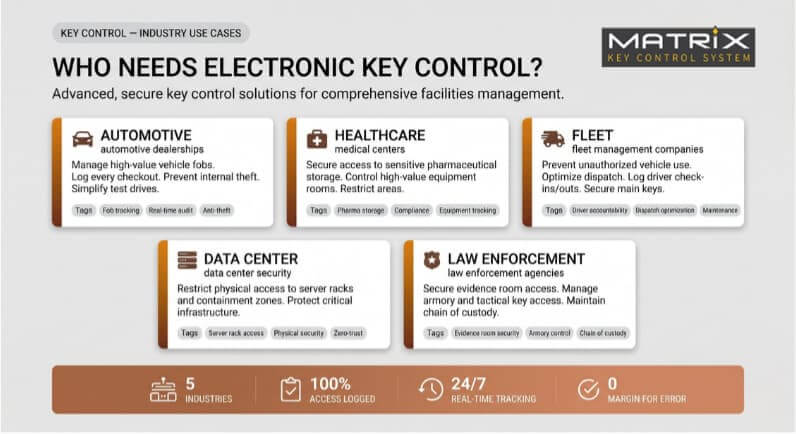
A key management system is used across a wide range of industries, each with unique requirements and challenges.
In corporate offices, systems are used to manage access to meeting rooms, equipment, and restricted areas. This improves both security and operational efficiency through local network control.
In automotive environments, such as dealerships, systems are used to track vehicle keys and prevent loss or misuse, with all logs stored securely on-site.
In property management, systems help manage keys for multiple properties and tenants, ensuring organized and secure access via a centralized local database.
Additional use cases include:
- Hospitality – managing guest and staff access
- Healthcare – securing medication and restricted areas
- Government – protecting sensitive facilities via secure VLAN
- Education – controlling access to classrooms and labs
FAQ – Key Management Systems
What is a key management system?
A key management system is a solution that securely stores, tracks, and controls access to physical keys using authentication and monitoring tools within an organization’s network.
Who needs a key management solution?
Any organization that manages multiple keys, users, or locations can benefit from a key management solution, especially corporate offices looking for secure, on-premise control.
How much does a key management system cost?
Costs vary depending on size and hardware, ranging from a few thousand dollars to enterprise-level investments for full VLAN integration.
How secure are key management systems?
Modern systems use advanced authentication methods such as biometrics and operate on private local networks, making them highly secure and independent of internet vulnerabilities.
What is the role of a key system manager?
A key system manager oversees key access policies and ensures the system is used effectively, supported by automated on-site software tools.
Can key management systems integrate with other systems?
Yes, many key management solutions integrate with local access control, HR systems, and other on-premise enterprise platforms.
The Bottom Line – Why the Right Key Management Solution Matters
A well-chosen key management system is not just a security tool. It is a strategic asset that improves control, efficiency, and accountability across your organization. In corporate environments, where access management is complex, the right on-premise system can make a measurable difference.
Choosing the right key management solution requires understanding your needs and prioritizing long-term value and data sovereignty. Organizations that invest in a robust, network-based system gain not only better security but also smoother operations and greater peace of mind.
Ready to Upgrade Your Key Management System?
At Matrix Key Control, we provide advanced key management solutions designed to meet the real needs of modern organizations. Whether you are managing a corporate office, multiple facilities, or complex operations, our on-premise systems deliver the security, control, and efficiency you need.
Get in touch with Matrix Key Control today via our website and discover how the right key management system can transform your organization.