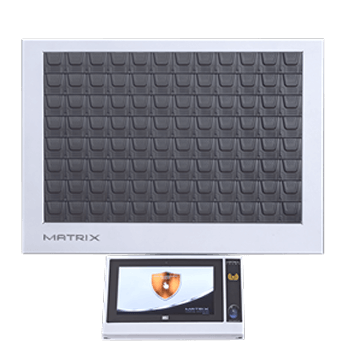
In every organization, physical keys represent access, responsibility, and risk. Whether they provide entry to vehicles, buildings, equipment rooms, restricted areas, data centers, warehouses, or high-value assets, keys remain one of the most overlooked security vulnerabilities in modern operations. While many companies invest heavily in surveillance systems, access control technologies, and cybersecurity solutions, they often continue managing physical keys using outdated processes that rely on trust, manual logs, and limited visibility.
This is where controlled key systems have become essential.
A modern controlled key system transforms key management from a manual administrative task into a fully monitored, secure, and accountable process. Instead of wondering who has a key, where it is located, or when it will be returned, organizations gain complete visibility into every key transaction, every authorized user, and every access event.
At Matrix Key Control, organizations around the world use advanced key control systems to protect assets, improve accountability, reduce operational inefficiencies, and strengthen security across multiple facilities and departments. This guide explains everything organizations need to know about controlled key systems, how they work, and why they have become a critical component of modern security infrastructure.
What Are Controlled Key Systems?
Controlled key systems are advanced security solutions designed to manage, monitor, track, and protect physical keys throughout an organization. Unlike traditional key cabinets or manual sign-out sheets, these systems create a secure and auditable environment where every key transaction is recorded automatically.
The primary objective of a controlled key system is accountability. Every time a user removes or returns a key, the system records exactly who performed the action, when it occurred, and which key was involved. This creates a complete audit trail that eliminates uncertainty and significantly reduces the risk of lost keys, unauthorized access, and internal security incidents.
In a modern business environment, keys often provide access to assets worth thousands or even millions of dollars. A missing vehicle key at a dealership, an unreturned master key in a hospital, or an unauthorized key withdrawal in a government facility can lead to significant operational disruptions and security concerns.
By implementing professional key control systems, organizations gain the ability to manage physical access with the same level of oversight that they apply to digital systems and credentials.
Why Traditional Key Management No Longer Works
For decades, organizations relied on basic key cabinets, handwritten logs, spreadsheets, or verbal procedures to manage keys. While these methods may appear simple, they often create significant vulnerabilities that become increasingly difficult to manage as organizations grow.
The challenge with traditional methods is not simply key storage. The real issue is the lack of accountability and visibility.
When keys are managed manually, organizations often encounter situations such as:
- Employees forgetting to sign keys out.
- Missing or misplaced keys.
- Delays caused by staff searching for keys.
- Uncertainty regarding who last used a key.
- Unauthorized key access.
- Lost productivity.
- Expensive lock replacement projects.
- Increased security risks.
Without a reliable audit trail, investigations become difficult and management teams are often forced to rely on assumptions rather than verified information.
Controlled key systems eliminate these challenges by replacing manual processes with automated monitoring and secure access controls.
How Controlled Key Systems Work
Modern controlled key systems combine hardware, software, and user authentication technologies into a single integrated solution.
Every interaction with a key is monitored and documented automatically. Authorized users authenticate themselves before accessing a key, ensuring that only approved personnel can retrieve specific assets.
A typical workflow includes:
- User authentication through PIN, card, RFID credential, biometric verification, or multiple authentication methods.
- System validation of user permissions.
- Authorized release of a designated key.
- Automatic recording of the transaction.
- Real-time monitoring of key status.
- Automatic logging when the key is returned.
This process creates a digital audit trail that provides complete transparency across the organization.
Unlike traditional cabinets that simply store keys, controlled key systems actively manage and secure them throughout their entire lifecycle.
Core Components of Modern Key Control Systems
A professional key management solution consists of several integrated components that work together to deliver security, accountability, and operational efficiency.
Electronic Key Cabinet
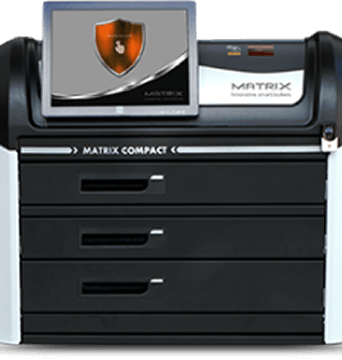
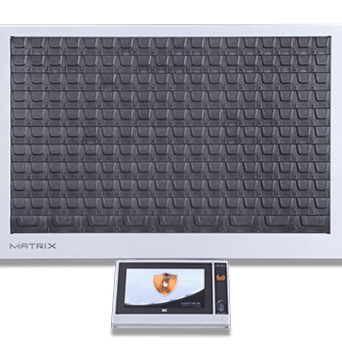
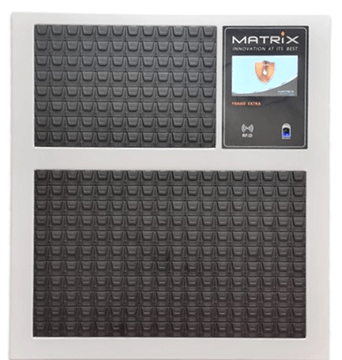
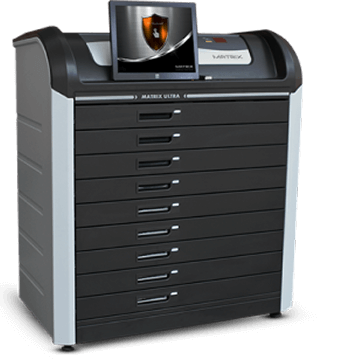
The cabinet serves as the secure storage location for all managed keys. Advanced cabinets are designed to prevent unauthorized access while providing rapid retrieval for approved users.
Intelligent Key Identification
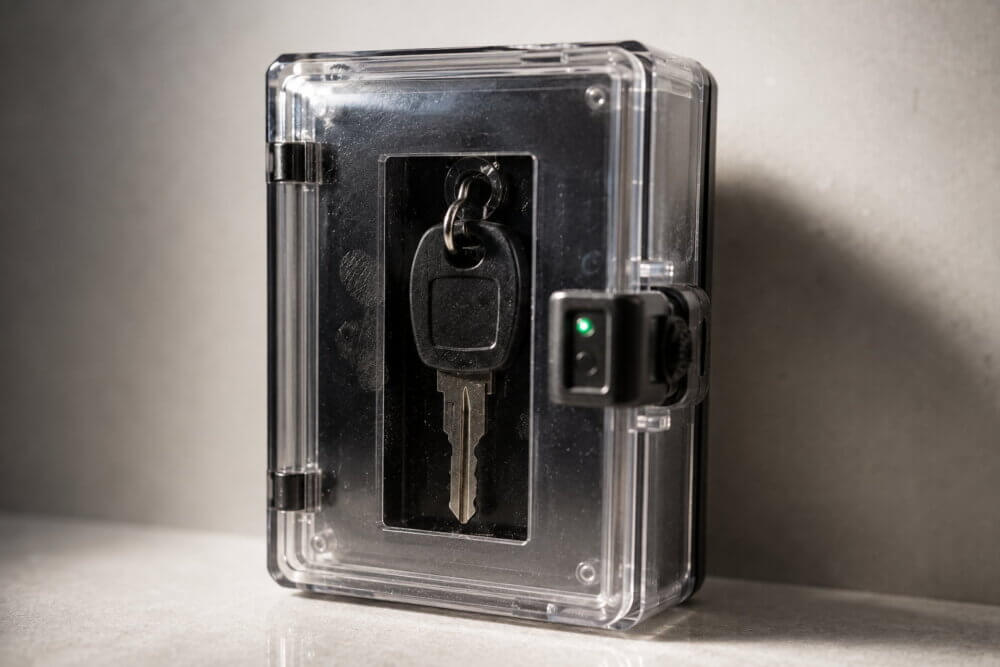
Each key is assigned a unique identifier that allows the system to monitor its location and status in real time.
User Authentication
Access is restricted through authentication technologies such as:
- PIN codes
- RFID cards
- Employee badges
- Fingerprint recognition
- Multi-factor authentication
Management Software
The software platform provides administrators with complete oversight of all key activity, user permissions, reports, alerts, and system configurations.
Audit Trail Database
Every transaction is recorded automatically, creating a comprehensive history of key usage that can be reviewed whenever needed.
Alert and Notification Systems
Organizations can configure automatic notifications for overdue keys, unauthorized attempts, security events, or other predefined conditions.
Together, these components create a comprehensive ecosystem that supports secure and accountable key management.
The Business Benefits of Controlled Key Systems
Organizations invest in controlled key systems because they provide measurable operational and security improvements.
One of the most immediate benefits is accountability. Employees understand that every key transaction is monitored and recorded, which naturally encourages compliance with company procedures.
Another major advantage is visibility. Management teams can instantly determine where a key is located, who currently possesses it, and when it is expected to be returned.
Operational efficiency also improves significantly. Instead of wasting time searching for keys or contacting multiple departments to locate assets, staff can retrieve information instantly through the management platform.
Additional benefits include:
- Reduced key loss incidents.
- Improved asset protection.
- Stronger internal security.
- Faster investigations.
- Enhanced regulatory compliance.
- Better employee accountability.
- Reduced operational downtime.
- Lower administrative workload.
- Improved reporting capabilities.
- Centralized oversight across multiple locations.
These benefits often generate substantial returns on investment while simultaneously strengthening organizational security.
Controlled Key Systems vs Traditional Key Cabinets
Many organizations initially assume that a lockable cabinet provides sufficient protection. However, there is a significant difference between simple storage and active management.
A traditional cabinet secures keys physically but provides little or no information regarding key usage. Management cannot easily determine who accessed a key, when it was removed, or whether it has been returned on time.
Controlled key systems, by contrast, create a fully monitored environment where every interaction is documented and governed by predefined rules.
Key differences include:
- Manual tracking versus automated tracking.
- Limited visibility versus real-time visibility.
- Basic storage versus intelligent management.
- No accountability versus complete accountability.
- Reactive investigations versus proactive monitoring.
- Paper logs versus digital audit trails.
- Open access versus permission-based access.
For organizations managing valuable assets, this distinction is often critical.

Industries That Benefit from Key Control Systems
The need for professional key management extends across numerous industries and operational environments.
Automotive Dealerships
Vehicle dealerships manage large inventories and hundreds of vehicle keys daily. Missing keys create delays, customer dissatisfaction, and unnecessary operational costs.
Controlled key systems help dealerships maintain accountability while streamlining vehicle access processes.
Fleet Management Operations
Organizations operating commercial fleets require precise control over vehicle keys and driver access. Professional systems ensure that only authorized personnel can retrieve keys while maintaining complete transaction records.
Property Management Companies
Property managers often oversee large numbers of units, maintenance keys, master keys, and contractor access requirements. Controlled key systems provide centralized visibility and accountability.
Hospitals and Healthcare Facilities
Healthcare environments require strict security procedures for medication rooms, equipment areas, and restricted departments. Controlled key systems support compliance and operational security.
Government and Law Enforcement
Government facilities frequently manage sensitive locations where access must be monitored and documented. Comprehensive audit trails support both accountability and regulatory requirements.
Universities and Educational Institutions
Campuses often contain hundreds of classrooms, offices, laboratories, and maintenance facilities. Controlled key systems simplify management while improving security across multiple buildings.
Hotels and Hospitality Organizations
Hospitality businesses rely on efficient access management while protecting guests, staff, and assets. Advanced key control solutions help achieve these goals.
Security Features That Modern Organizations Need
Today’s security landscape demands more than simply locking keys inside a cabinet.
Modern controlled key systems include advanced capabilities designed to address contemporary security challenges.
Common security features include:
- Individual user permissions.
- Role-based access control.
- Multi-factor authentication.
- Real-time monitoring.
- Automatic audit trails.
- Tamper detection.
- Overdue key alerts.
- Forced access notifications.
- Secure transaction logging.
- Centralized administration.
These capabilities allow organizations to implement sophisticated security policies without creating unnecessary complexity for end users.
Compliance and Audit Readiness
Many organizations operate within regulatory frameworks that require documentation, accountability, and security controls.
Controlled key systems help organizations demonstrate compliance by maintaining accurate records of all key-related activities.
Benefits for compliance programs include:
- Detailed transaction histories.
- User accountability records.
- Incident investigation support.
- Security audit preparation.
- Internal policy enforcement.
- Chain-of-custody documentation.
- Evidence preservation.
Because every transaction is recorded automatically, organizations can provide accurate documentation whenever audits or investigations occur.

The Hidden Cost of Poor Key Management
Many businesses underestimate the financial impact of ineffective key management.
The cost is rarely limited to replacing a missing key. The broader consequences often include labor expenses, operational disruptions, lost productivity, and increased security risks.
Common costs include:
- Employee time spent locating keys.
- Vehicle downtime.
- Delayed service operations.
- Security investigations.
- Lock replacement projects.
- Rekeying facilities.
- Compliance violations.
- Unauthorized access incidents.
- Administrative inefficiencies.
- Asset misuse.
Over time, these costs can significantly exceed the investment required for a professional key management solution.
Scalability for Growing Organizations
One of the most important considerations when evaluating key control systems is scalability.
Organizations rarely remain static. New facilities open, fleets expand, staff numbers increase, and operational requirements evolve.
A professional solution should support growth without requiring complete system replacement.
Modern controlled key systems can scale from a single location to enterprise-wide deployments that span multiple regions and countries.
Scalable capabilities often include:
- Multi-site management.
- Centralized administration.
- Remote monitoring.
- Enterprise reporting.
- Flexible user management.
- Modular cabinet expansion.
- Global deployment support.
This flexibility allows organizations to protect current investments while supporting future growth.
Integration with Existing Security Infrastructure
Today’s enterprises rely on interconnected security ecosystems.
Controlled key systems can often integrate with existing technologies to create a more unified security environment.
Potential integrations may include:
- Access control platforms.
- Employee directory systems.
- Identity management solutions.
- Fleet management software.
- Visitor management platforms.
- Security monitoring systems.
- HR databases.
- Enterprise reporting tools.
Integration capabilities improve efficiency while reducing administrative overhead.
What to Look for When Choosing a Controlled Key System
Not all solutions provide the same capabilities.
Organizations evaluating vendors should consider several critical factors before making a decision.
Key evaluation criteria include:
- Security capabilities.
- Audit trail functionality.
- Ease of use.
- Scalability.
- Reporting features.
- Integration options.
- User management controls.
- Vendor experience.
- Global support capabilities.
- Long-term reliability.
Selecting the right system requires balancing current needs with future operational requirements.

Why Organizations Choose Matrix Key Control
When organizations invest in controlled key systems, they need a solution provider that understands both security and operational efficiency.
Matrix Key Control has established itself as a global leader in advanced key control systems, helping organizations secure assets while improving accountability and operational performance.
Matrix solutions are designed to support a wide range of industries, from automotive dealerships and fleet operators to healthcare facilities, government agencies, educational institutions, and enterprise organizations.
Organizations choose Matrix because they require more than a storage cabinet. They need a complete key management ecosystem that delivers visibility, accountability, security, and scalability.
With advanced technology, comprehensive reporting capabilities, intelligent access controls, and enterprise-level flexibility, Matrix Key Control helps organizations transform key management into a strategic security advantage.
Conclusion
Physical keys remain one of the most important security assets within modern organizations. Yet many businesses continue relying on outdated processes that create unnecessary risk, inefficiency, and operational uncertainty.
Controlled key systems provide a smarter approach. By combining secure storage, user authentication, automated monitoring, and comprehensive audit trails, organizations gain complete visibility into every key transaction while strengthening accountability throughout the organization.
Whether managing vehicle fleets, property portfolios, healthcare facilities, educational campuses, government sites, or corporate offices, modern key control systems help reduce risk, improve efficiency, and protect valuable assets.
If your organization is ready to move beyond manual key management and implement a professional, scalable solution, Matrix Key Control provides the expertise, technology, and global experience needed to support your security and operational goals.