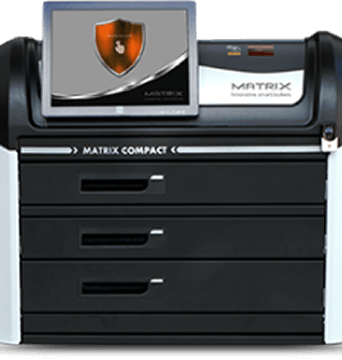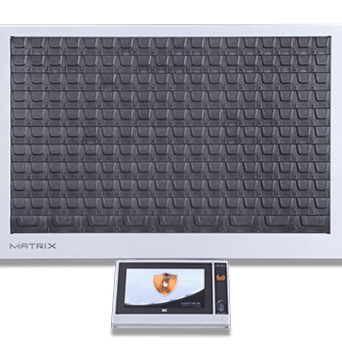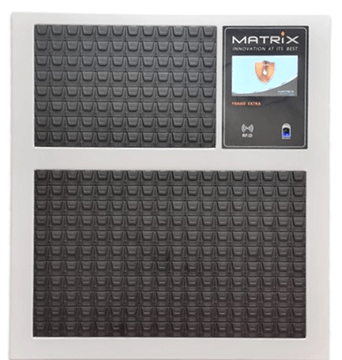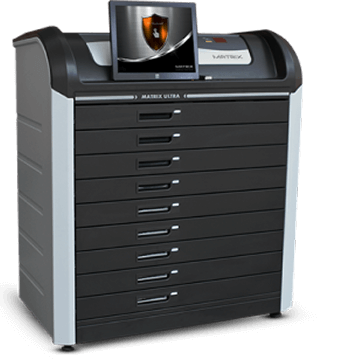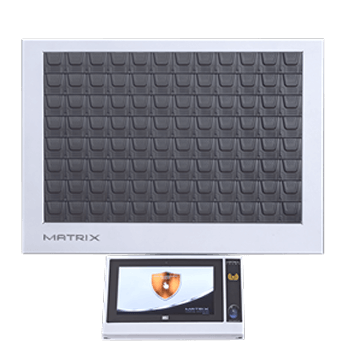
Physical keys remain one of the most overlooked security vulnerabilities in modern organizations. While companies invest heavily in cybersecurity, surveillance systems, access control technologies, and compliance programs, many still rely on outdated methods to manage the physical keys that provide access to their most valuable assets. A missing vehicle key, an untracked master key, or unauthorized access to a restricted area can result in operational delays, financial losses, security breaches, and significant accountability issues.
An electronic key management system transforms the way organizations secure, monitor, and control physical keys. Instead of relying on manual sign-out sheets, traditional key cabinets, or verbal responsibility between employees, organizations gain complete visibility over every key movement in real time. Every transaction is automatically recorded, every authorized user is identified, and every key becomes fully traceable throughout its lifecycle.
For organizations managing vehicle fleets, government facilities, hospitals, airports, logistics centers, police departments, manufacturing plants, property portfolios, or critical infrastructure, implementing an electronic solution is no longer simply a security upgrade. It has become an operational necessity.
In this guide, we’ll explain exactly how an electronic key management system works, what features matter most, which industries benefit the most, and how choosing the right solution can improve security, accountability, and operational efficiency across your entire organization.
What Is an Electronic Key Management System?
An electronic key management system is an intelligent security solution designed to control, monitor, and document access to physical keys within an organization. Unlike traditional lockable cabinets that simply store keys behind a mechanical lock, an electronic system actively manages every interaction with every key.
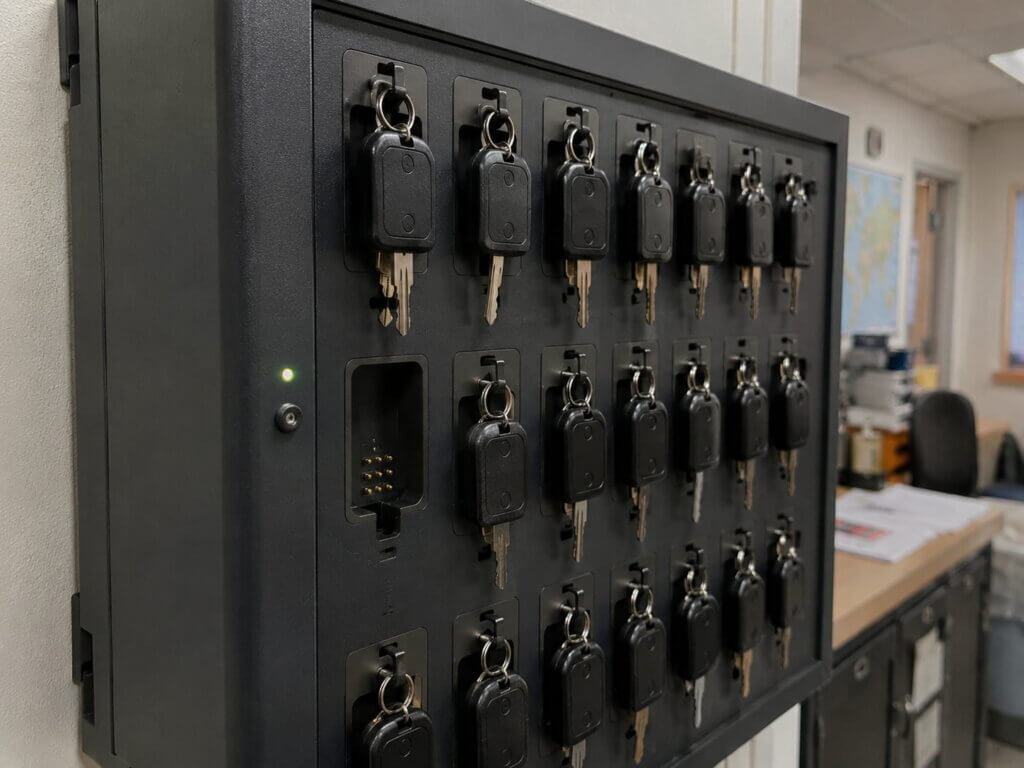
Each key is individually secured inside an electronically controlled cabinet and linked to a specific position using intelligent locking technology. Before a user can remove a key, they must authenticate themselves using an approved identification method such as a PIN code, RFID card, biometric verification, employee credential, or another authorized authentication mechanism.
Once access has been approved, the system releases only the specific keys that the employee is authorized to access. Every action is automatically recorded, creating a permanent audit trail that documents exactly who removed the key, when it was taken, why it was issued (if configured), and when it was returned.
This level of accountability eliminates uncertainty from daily operations. Instead of asking, “Who has the key?” organizations can answer that question immediately with complete confidence.
Modern systems also provide centralized management software that allows administrators to configure user permissions, generate detailed reports, receive alerts for overdue keys, monitor activity across multiple locations, and integrate with other security platforms.
The result is a highly controlled environment where physical keys are managed with the same level of precision as digital access credentials.

Why Traditional Key Cabinets Are No Longer Enough
For decades, organizations relied on mechanical key cabinets, handwritten logbooks, or simple sign-out sheets to manage physical keys. While these methods may have been sufficient for smaller operations, they struggle to meet the security and accountability requirements of today’s organizations.
Traditional systems create numerous operational blind spots. Employees may forget to sign keys in or out, handwriting can be illegible, records may be incomplete, duplicate keys often circulate without proper authorization, and supervisors frequently spend valuable time investigating missing keys.
The larger an organization becomes, the more these small inefficiencies multiply into significant operational costs.
Consider a company operating hundreds of fleet vehicles across multiple facilities. If a driver cannot locate the correct vehicle key at the beginning of a shift, productivity immediately declines. If no one knows who last handled that key, supervisors must interrupt their work to investigate, contact employees, review paperwork, and potentially delay vehicle deployment.
These situations occur every day in organizations that still rely on manual key management.
An electronic key management system eliminates these uncertainties by replacing assumptions with verified data. Every transaction is automatically logged, every authorized user is identified, and every key remains under continuous control.
The benefits extend well beyond security. Organizations also reduce administrative workload, improve operational efficiency, strengthen compliance, and significantly decrease the likelihood of lost or misplaced keys.
How an Electronic Key Management System Works
Although modern systems incorporate advanced technology, their day-to-day operation is remarkably straightforward for employees.
The process begins when an authorized employee approaches the cabinet and identifies themselves using one of the organization’s approved authentication methods. Depending on the configuration, this may involve entering a PIN code, scanning an employee badge, presenting an RFID credential, using biometric identification, or authenticating through another integrated identity management system.
Once the user’s identity has been verified, the software immediately evaluates their access permissions. Rather than unlocking every stored key, the system releases only those that the employee is specifically authorized to use.
When the employee removes a key, the software instantly records the transaction within the database. This record typically includes:
- Employee identity
- Date and exact timestamp
- Key identification
- Cabinet location
- Department or assigned vehicle
- Purpose of issuance (where applicable)
- Expected return time
- Actual return time
Throughout the time the key is checked out, administrators can monitor its status in real time through the management software. If a key remains outside the cabinet longer than permitted, the system can automatically trigger notifications, reminders, or escalation procedures depending on organizational policy.
When the employee returns the key, the system confirms that it has been placed in the correct location and automatically closes the transaction.
This automated workflow eliminates manual paperwork while ensuring every movement remains fully documented.
Core Components of an Electronic Key Management System
A professional key management system consists of multiple integrated components working together to create a secure and intelligent key management environment. Each element plays a specific role in maintaining security, reliability, and operational efficiency.
Secure Electronic Cabinet
The cabinet serves as the physical foundation of the system. Unlike conventional key cabinets, every key position is electronically controlled, preventing unauthorized removal while protecting valuable assets from tampering.
Cabinets are available in various sizes to support organizations managing dozens, hundreds, or even thousands of keys across multiple departments or locations.
Intelligent Key Locking Mechanisms
Rather than hanging freely on hooks, every key is individually secured using electronic locking technology. This ensures that users can only retrieve keys they are specifically authorized to access.
Even if the cabinet door is open, unauthorized keys remain securely locked in place.
RFID or Electronic Key Tags
Each key is equipped with an electronic identifier that uniquely associates it with the management software.
This allows the system to instantly recognize:
- Which key has been removed
- Which slot it belongs to
- Whether it has been returned correctly
- Whether an incorrect key has been inserted
These intelligent tags significantly reduce human error while improving inventory accuracy.
User Authentication Interface
The user interface serves as the primary interaction point for employees.
Depending on organizational requirements, authentication methods may include:
- PIN codes
- RFID employee cards
- Smart cards
- Biometric authentication
- Multi-factor authentication
- Integration with corporate identity management systems
Restricting access through verified user identities ensures that every transaction can be traced back to an individual employee.
Central Management Software
The software functions as the operational brain of the entire system.
From a centralized dashboard, administrators can manage users, assign permissions, monitor live activity, review historical transactions, generate reports, configure alerts, and supervise multiple cabinets located across different facilities.
Many organizations also integrate the software with existing IT infrastructure, allowing centralized administration without disrupting existing workflows.

Key Features Every Modern Electronic Key Management System Should Include
Not every solution on the market offers the same level of functionality. Organizations selecting a new electronic key management system should evaluate far more than cabinet size or hardware specifications. The software capabilities often determine the long-term value of the investment.
A professional solution should provide comprehensive security, detailed reporting, flexible permission management, and seamless scalability as operational requirements evolve.
Some of the most valuable features include:
- Individual user authentication with secure identity verification.
- Role-based permissions that limit access according to departments, responsibilities, or employee roles.
- Time-based access rules that restrict key availability during specific working hours or shifts.
- Automatic audit trails that record every key transaction without manual intervention.
- Real-time monitoring that displays which keys are currently checked out and by whom.
- Configurable alerts for overdue, missing, or unauthorized key activity.
- Detailed reporting for operational analysis, compliance reviews, and internal investigations.
- Multi-location management for organizations operating across several offices or facilities.
- Remote administrative access that allows security managers to monitor activity without being physically present.
- Integration capabilities with access control systems, Active Directory, HR databases, fleet management software, and other enterprise platforms.
- Automatic backup and secure database management to preserve historical transaction records.
- Expandable architecture that supports future cabinet additions without replacing the existing infrastructure.
Organizations should also consider usability. A sophisticated system only delivers value if employees can use it efficiently during daily operations. An intuitive interface minimizes training requirements while encouraging consistent compliance across the organization.
The most effective solutions strike a balance between advanced functionality and operational simplicity, allowing employees to retrieve and return keys quickly while giving administrators complete visibility and control behind the scenes.
Reporting and Analytics
One of the biggest advantages of implementing an electronic key management system is that it converts everyday key activity into valuable operational data. Instead of relying on assumptions or manually reviewing paper logs, managers gain access to detailed reports that reveal exactly how keys are being used throughout the organization.
This information supports far more than security investigations. It helps improve operational planning, identify inefficiencies, optimize fleet utilization, monitor employee accountability, and support compliance initiatives.
For example, if certain vehicle keys are consistently returned late, the issue may indicate scheduling problems rather than employee misconduct. If specific keys remain unused for extended periods, managers may discover underutilized assets. Likewise, unusually frequent access to a restricted key may highlight operational changes that require further review.
A professional system typically allows administrators to generate reports instantly or schedule them to be delivered automatically at predefined intervals.
Common reports include:
- Complete key transaction history
- Current key status and availability
- Overdue key reports
- Missing key reports
- User activity history
- Department usage reports
- Fleet utilization reports
- Frequently accessed keys
- Exception and security event reports
- Cabinet activity summaries
- Access attempts denied by permission settings
- Historical audit reports for compliance reviews
Instead of manually searching through paperwork, security managers can answer operational questions within seconds using accurate historical records.
Industries That Benefit from an Electronic Key Management System
Almost every organization that manages physical keys can improve its operations with an electronic key management system, but certain industries experience especially significant benefits due to the volume of assets they manage or the level of security they require.
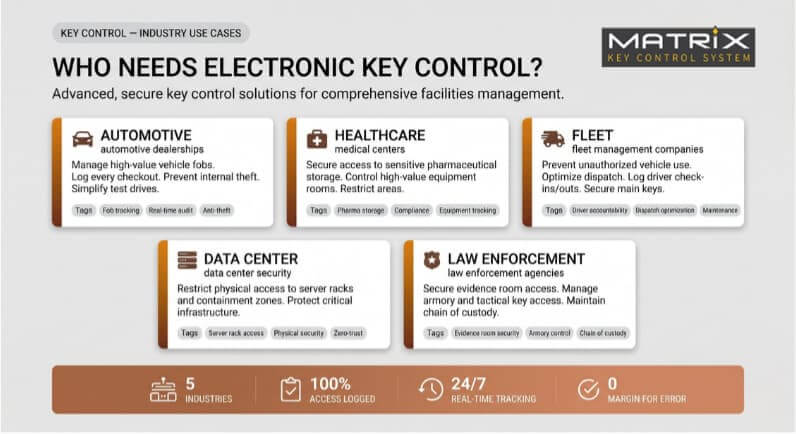
Fleet Management Companies
Organizations operating company vehicles often manage hundreds of vehicle keys across multiple shifts and locations.
Electronic key management helps fleet managers:
- Prevent unauthorized vehicle use.
- Track which employee is responsible for each vehicle.
- Reduce delays during shift changes.
- Improve vehicle availability.
- Monitor late key returns.
- Create full accountability for every vehicle movement.
Instead of wasting time searching for missing keys, drivers can quickly retrieve authorized vehicle keys while dispatchers maintain full visibility over fleet operations.
Car Dealerships
Car dealerships routinely manage hundreds of high-value vehicle keys. Without structured control, misplaced keys can delay customer appointments, test drives, deliveries, and inventory management.
An electronic system allows dealerships to know exactly where every vehicle key is located at any moment while restricting access to authorized sales representatives and service personnel.
Government Facilities
Government agencies often operate under strict security and compliance requirements. Sensitive offices, secure storage areas, official vehicles, and restricted facilities require documented accountability for every physical key.
An electronic key management system creates permanent audit records while reducing the administrative burden associated with manual documentation.
Hospitals and Healthcare Facilities
Hospitals manage keys for pharmaceutical storage, medical equipment, laboratories, maintenance rooms, ambulance fleets, records departments, and numerous restricted areas.
Electronic control improves both security and operational efficiency by ensuring authorized personnel can access required assets while maintaining complete accountability.
Police, Military, and Defense Organizations
Few industries require stronger physical key accountability than law enforcement and defense organizations.
Electronic key management supports secure control of:
- Vehicle fleets
- Weapons storage
- Evidence rooms
- Ammunition facilities
- Secure buildings
- Investigation rooms
- Specialized equipment
Comprehensive audit trails help maintain chain-of-custody requirements while minimizing opportunities for unauthorized access.
Manufacturing Facilities
Manufacturing plants often contain restricted production areas, maintenance equipment, hazardous material storage, and expensive machinery.
Managing these access points electronically helps reduce operational risk while improving maintenance scheduling and equipment accountability.
Property Management Companies
Large residential and commercial property managers oversee thousands of apartment, office, utility, and maintenance keys.
Instead of maintaining large manual key inventories, electronic systems allow property managers to track every issued key, assign responsibility, and reduce the likelihood of lost master keys.
Who Typically Uses the System?
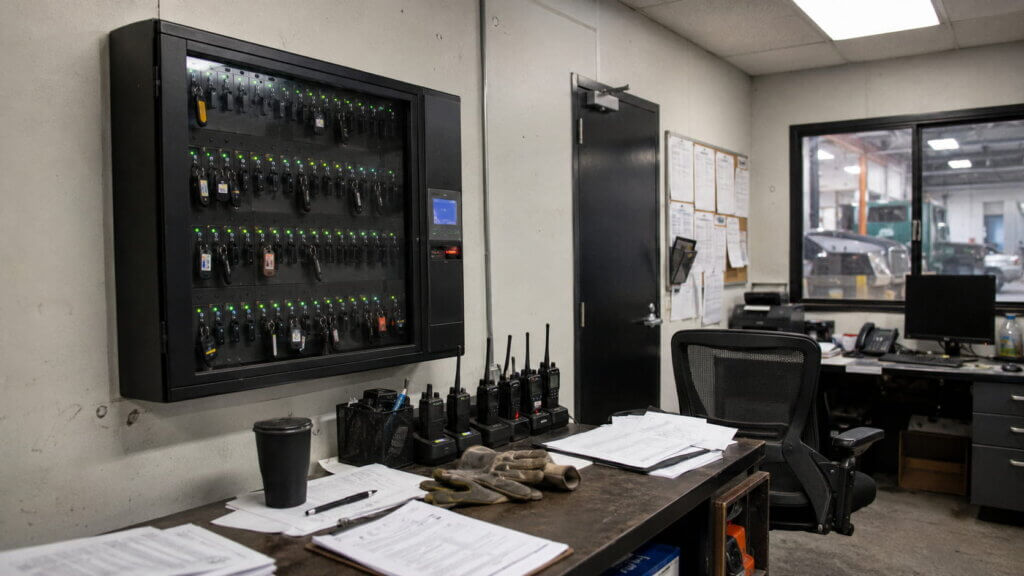
Although security departments often oversee implementation, an electronic key management system supports a wide range of organizational roles.
Each department benefits differently depending on its operational responsibilities.
Common users include:
- Security managers responsible for physical security.
- Fleet managers coordinating company vehicles.
- Operations managers supervising daily workflows.
- Facilities managers controlling building access.
- Maintenance teams managing service equipment.
- Shift supervisors issuing keys during employee transitions.
- Compliance officers reviewing audit documentation.
- Human Resources teams coordinating employee permissions.
- IT administrators integrating authentication systems.
- Executive management monitoring operational performance.
Because access permissions are highly configurable, every user receives only the level of access required for their specific responsibilities.
Electronic Key Management System for Fleet Management
Fleet operations present unique challenges that traditional key cabinets rarely solve effectively.
Drivers work across multiple shifts, vehicles frequently change assignments, maintenance schedules evolve continuously, and operational efficiency depends on rapid vehicle availability.
An electronic key management system addresses these challenges by creating structured workflows around vehicle key management.
When drivers begin their shifts, they authenticate themselves and retrieve only the vehicle keys assigned to their role or schedule. Every transaction is recorded automatically, eliminating disputes regarding vehicle responsibility.
Fleet managers gain immediate visibility into:
- Which vehicles are currently in operation.
- Which driver has each vehicle.
- Which keys remain available.
- Which keys have not been returned.
- Which vehicles are awaiting maintenance.
- Historical driver assignments.
This visibility reduces downtime while improving scheduling accuracy.
Organizations operating pool vehicles benefit even more because shared vehicle usage becomes fully documented without increasing administrative workload.
Electronic Key Management System for High-Security Facilities
Certain environments demand far greater accountability than standard office buildings.
Airports, military installations, correctional facilities, pharmaceutical manufacturers, research laboratories, utilities, energy providers, and critical infrastructure organizations cannot afford uncertainty regarding physical key access.
In these environments, an electronic key management system becomes part of the organization’s broader security architecture.
High-security deployments typically include additional controls such as:
- Multi-factor authentication before key release.
- Time-restricted access windows.
- Dual authorization for sensitive keys.
- Real-time monitoring by security personnel.
- Immediate alerts for unauthorized access attempts.
- Integration with surveillance cameras.
- Tamper detection.
- Automatic incident reporting.
These capabilities significantly strengthen physical security while supporting regulatory compliance and internal governance policies.
Benefits of an Electronic Key Management System
Organizations often implement an electronic key management system to solve one immediate problem, such as missing keys or poor accountability. However, most discover that the long-term operational benefits extend far beyond security improvements.
Perhaps the greatest advantage is visibility. Managers no longer rely on verbal updates or incomplete paperwork because every transaction is automatically documented. This transparency improves decision-making while reducing administrative effort across multiple departments.
Operational efficiency also improves considerably. Employees spend less time searching for keys, supervisors spend less time investigating missing assets, and managers gain immediate access to reliable information whenever questions arise.
Additional benefits include:
- Stronger accountability throughout the organization.
- Reduced key loss and replacement costs.
- Lower risk of unauthorized access.
- Faster employee shift changes.
- Better protection for expensive assets.
- Improved compliance with internal security policies.
- Easier auditing and investigation processes.
- Reduced insurance exposure.
- Better operational planning through accurate reporting.
- Greater confidence in physical security procedures.
Many organizations also experience measurable financial savings by reducing labor hours associated with manual key management and eliminating unnecessary lock replacements caused by lost keys.
As organizations continue to expand, these efficiency gains become even more valuable because the system scales without significantly increasing administrative complexity.
Electronic Key Management System vs. Traditional Key Cabinet
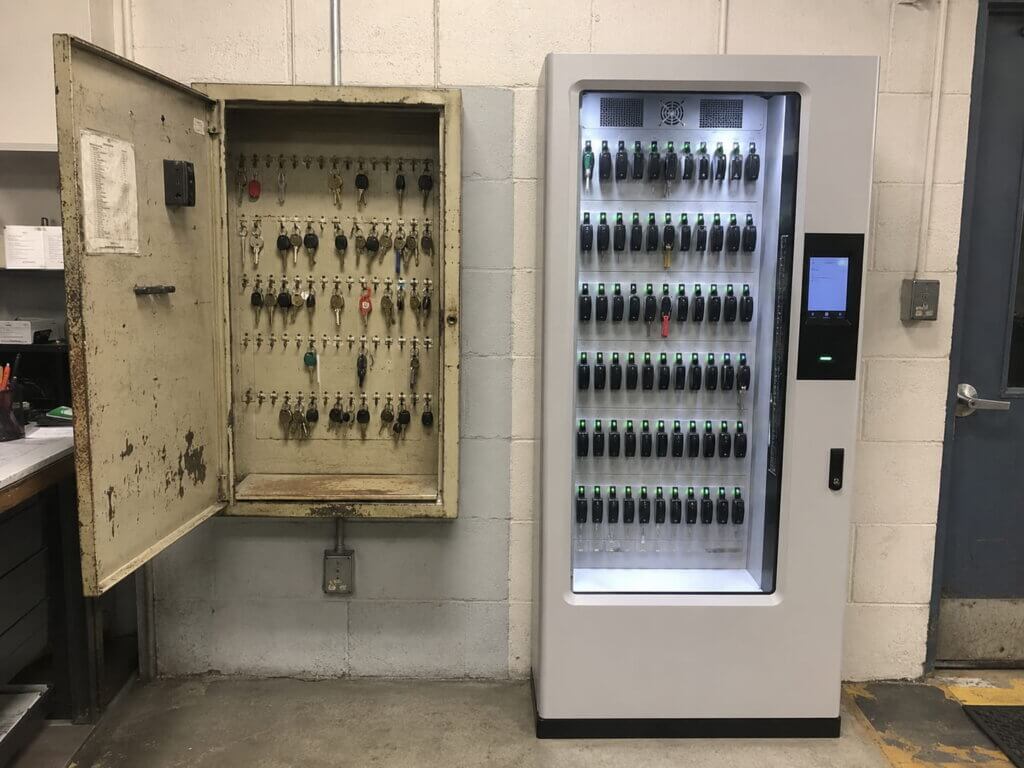
At first glance, a traditional lockable cabinet and an electronic key management system may appear to serve the same purpose. Both store physical keys in a centralized location. However, their capabilities, security level, and operational value are fundamentally different.
A traditional cabinet acts as passive storage. Once someone unlocks the cabinet, every key inside is typically accessible. Whether keys are tracked through a paper logbook or not tracked at all depends entirely on employee discipline. There is little or no automatic accountability, making it difficult to determine who accessed a specific key or when it was returned.
An electronic solution, on the other hand, actively controls every interaction with every key. Access is granted only after user authentication, permissions are automatically verified, and every transaction is permanently documented without relying on manual processes.
| Feature | Traditional Key Cabinet | Electronic Key Management System |
|---|---|---|
| User authentication | Usually none | Required before access |
| Individual key control | No | Yes |
| Automatic audit trail | No | Yes |
| Real-time monitoring | No | Yes |
| Role-based permissions | No | Yes |
| Overdue key alerts | No | Yes |
| Reporting capabilities | Manual | Automatic |
| Multi-site management | Not available | Supported |
| Integration with other systems | No | Yes |
| Scalability | Limited | Highly scalable |
For small organizations with only a handful of keys, a traditional cabinet may appear sufficient. However, once multiple employees, departments, shifts, or locations become involved, manual methods quickly become inefficient and difficult to manage.
An electronic key management system not only secures physical keys but also improves operational control across the entire organization.
Electronic vs. Manual Key Tracking
Many organizations still rely on manual key tracking procedures because they have “always worked.” Employees sign keys in and out using paper forms, spreadsheets, or whiteboards, assuming this provides sufficient accountability.
In reality, manual tracking introduces numerous opportunities for human error.
Employees may forget to record transactions, complete forms incorrectly, write illegible notes, or neglect to update logs altogether. Even when procedures are followed consistently, manually searching historical records during an investigation consumes valuable time.
An electronic system removes these variables entirely.
Every action is automatically recorded without requiring employees to complete paperwork, ensuring that records remain complete, consistent, and immediately searchable.
Manual systems often struggle to answer questions such as:
- Who currently has the master key?
- When was this vehicle last used?
- Which employee accessed this equipment yesterday?
- How many times has this key been issued this month?
- Which departments use this asset most frequently?
With an electronic key management system, these answers are available instantly through the management software.
Security Technologies Used in Modern Electronic Key Management Systems
Modern electronic key management system solutions combine several technologies to create multiple layers of protection rather than relying on a single security mechanism.
Authentication serves as the first layer of defense. Instead of allowing unrestricted cabinet access, users must verify their identity before interacting with any stored keys.
Depending on organizational requirements, authentication methods may include:
- Personal PIN codes.
- RFID employee cards.
- Smart identification cards.
- Fingerprint recognition.
- Facial recognition.
- Multi-factor authentication.
- Corporate identity management integration.
Once authentication is complete, electronic locking mechanisms ensure that only authorized keys become available. This prevents employees from accidentally or intentionally removing keys outside their assigned permissions.
Many systems also use RFID-enabled key tags, allowing the software to recognize every individual key automatically. These intelligent identifiers help eliminate misplaced keys while ensuring each key is returned to its designated position.
Additional security technologies commonly found in enterprise-grade systems include:
- Encrypted databases for secure transaction storage.
- Secure communication between cabinets and management software.
- Tamper detection sensors.
- Automatic event logging.
- Power failure protection.
- Backup communication capabilities.
- Role-based administrative controls.
- Automatic database backups.
Together, these technologies create a highly secure environment where physical key management becomes both reliable and fully traceable.
Audit Trails and Compliance
One of the strongest business cases for implementing an electronic key management system is the ability to generate complete, accurate, and permanent audit trails.
Every organization faces situations where accountability matters. A vehicle may be damaged, expensive equipment may disappear, restricted areas may require investigation, or regulatory auditors may request documentation demonstrating proper access control.
Without reliable records, determining responsibility often becomes difficult or impossible.
An electronic system automatically records every significant event, creating a detailed chronological history that remains available whenever needed.
Typical audit records include:
- User identity.
- Date and time of access.
- Key removed.
- Key returned.
- Duration of checkout.
- Cabinet location.
- Failed authentication attempts.
- Unauthorized access attempts.
- Administrative changes.
- Permission updates.
These records support a wide variety of business functions.
Security teams can investigate incidents more efficiently.
Compliance officers can demonstrate adherence to internal policies.
Operations managers can review workflow efficiency.
Internal auditors can verify access procedures.
Insurance providers may view documented security controls more favorably during risk assessments.
For organizations operating under ISO standards or industry-specific regulations, comprehensive audit documentation often becomes an essential operational requirement rather than simply a useful feature.
Access Permissions and User Roles
Not every employee should have access to every key.
One of the defining strengths of an electronic key management system is its ability to precisely control who can access specific keys based on organizational responsibilities.
Instead of issuing broad access privileges, administrators can create highly customized permission structures that align with business operations.
Access rules may be configured according to:
- Employee role.
- Department.
- Job title.
- Shift schedule.
- Work location.
- Security clearance.
- Vehicle assignment.
- Project responsibility.
- Temporary authorization.
- Contractor status.
For example, maintenance personnel may receive access only to equipment rooms and utility cabinets, while fleet drivers are limited to assigned vehicle keys. Security supervisors may have broader privileges without granting unrestricted access to every employee.
Organizations can also define temporary permissions for contractors, visitors, external vendors, or short-term projects.
Once temporary access expires, permissions are automatically revoked without requiring manual follow-up.
This flexibility significantly reduces unnecessary access while strengthening overall organizational security.
Integration Capabilities
An electronic key management system becomes even more valuable when it integrates with the technologies organizations already use every day.
Rather than operating as an isolated security product, modern systems can become part of a larger operational ecosystem.
Common integration options include:
- Active Directory.
- LDAP.
- Human Resources systems.
- Employee identity databases.
- Fleet management platforms.
- Enterprise Resource Planning (ERP) software.
- Access control systems.
- CCTV and surveillance systems.
- Visitor management platforms.
- Alarm systems.
- Security Information and Event Management (SIEM) platforms.
- REST APIs for custom integrations.
These integrations reduce duplicate administration while ensuring user information remains synchronized across multiple business systems.
For example, when an employee leaves the company, disabling their corporate account can automatically remove their access to physical keys as well.
This level of automation improves both efficiency and security while reducing administrative workload.
How an Electronic Key Management System Improves ROI
Organizations sometimes evaluate an electronic key management system primarily as a security expense. In reality, many companies achieve measurable returns through improved operational efficiency, lower administrative costs, and reduced asset losses.
Lost keys rarely represent only the cost of replacing the key itself. They often trigger expensive lock replacements, vehicle downtime, employee investigations, scheduling disruptions, and security risks that can affect the entire organization.
By introducing structured accountability, electronic key management helps reduce many of these hidden costs.
Organizations frequently experience financial benefits through:
- Fewer lost or misplaced keys.
- Lower lock replacement expenses.
- Reduced vehicle downtime.
- Less administrative time spent investigating missing assets.
- Faster employee shift transitions.
- Improved utilization of shared vehicles and equipment.
- Reduced unauthorized asset usage.
- Better compliance with internal security policies.
- Lower operational disruptions.
- More efficient resource planning through accurate reporting.
As organizations continue to grow, these savings become increasingly significant because administrative effort does not increase proportionally with the number of managed keys.
Instead of hiring additional personnel to oversee expanding key inventories, organizations can manage substantially larger operations using the same centralized software platform.
This combination of stronger security and improved operational efficiency makes an electronic key management system a strategic investment rather than simply another security product.
Common Problems Solved by an Electronic Key Management System
Many organizations begin searching for an electronic key management system after experiencing a specific incident, such as a lost master key, a missing vehicle, unauthorized access to a restricted area, or repeated delays caused by misplaced keys. While these events often trigger the purchasing decision, they usually reveal broader operational issues that have existed for years.
Traditional key management relies heavily on trust and manual processes. Employees are expected to return keys on time, record transactions accurately, and remember who borrowed which key. As organizations grow, this approach becomes increasingly difficult to manage. The result is lost productivity, inconsistent accountability, and avoidable security risks.
An electronic solution addresses these problems by replacing manual tracking with automated control and real-time visibility.
Some of the most common challenges it solves include:
- Lost or misplaced keys that interrupt daily operations.
- Employees forgetting to return keys after completing their work.
- Unauthorized individuals accessing restricted assets.
- Multiple duplicate keys circulating without proper control.
- Manual logbooks containing incomplete or inaccurate information.
- Supervisors spending valuable time searching for missing keys.
- Vehicle downtime caused by unavailable or misplaced keys.
- Lack of accountability when incidents occur.
- Difficulty preparing documentation for audits or compliance reviews.
- Limited visibility across multiple buildings or facilities.
- Delays during employee shift changes.
- Inefficient management of shared assets and company vehicles.
By automating every stage of the key management process, organizations replace uncertainty with reliable, real-time information. Instead of reacting to problems after they occur, managers can proactively monitor activity, identify unusual patterns, and resolve issues before they escalate.
Choosing the Right Electronic Key Management System
Not every electronic key management system is designed to meet the same operational requirements. A small office managing twenty keys has very different needs from an international organization controlling thousands of vehicle keys across multiple facilities.
Selecting the right solution requires looking beyond cabinet capacity and evaluating how well the system supports both current operations and future growth.
The first consideration should always be scalability. Many organizations underestimate how quickly their key inventory expands. Choosing a solution that supports additional cabinets, users, and locations without replacing the existing infrastructure protects the investment over the long term.
Security capabilities should also be evaluated carefully. Organizations should consider whether the system supports advanced authentication methods, configurable user permissions, encrypted communications, and comprehensive audit logging.
Software functionality is equally important. The management platform should provide intuitive administration, real-time monitoring, customizable reporting, and seamless integration with existing business systems.
Before selecting a solution, organizations should evaluate factors such as:
- Total key capacity.
- Future expansion capabilities.
- User authentication options.
- Individual key locking technology.
- Audit trail functionality.
- Reporting and analytics.
- Multi-site management.
- Integration with existing IT infrastructure.
- User permission flexibility.
- Automated alerts and notifications.
- Software usability.
- Installation requirements.
- Local and remote support services.
- Maintenance requirements.
- Hardware durability.
- Warranty coverage.
- Vendor experience with similar industries.
Choosing the lowest-cost solution often results in higher operational costs later if the system cannot scale or lacks essential functionality. A well-designed electronic key management platform should continue supporting the organization for many years as operational requirements evolve.
Frequently Asked Questions About Electronic Key Management Systems
What is an electronic key management system?
An electronic key management system is a secure solution that stores, controls, tracks, and documents access to physical keys. It authenticates users before releasing authorized keys and automatically records every transaction to create a complete audit trail.
Is an electronic key management system secure?
Yes. Enterprise-grade systems combine multiple security technologies such as electronic locking mechanisms, user authentication, encrypted databases, role-based permissions, and automatic audit logging to provide significantly stronger protection than traditional key cabinets.
Can different employees have different access permissions?
Absolutely. Administrators can assign permissions based on departments, job roles, work schedules, locations, or individual employees. Each user only gains access to the keys required for their responsibilities.
What happens if someone forgets to return a key?
Most systems automatically detect overdue keys and can generate alerts, notifications, or escalation procedures based on organizational policies. Administrators can immediately identify who currently possesses the key and how long it has been checked out.
Can the system manage multiple locations?
Yes. Many modern solutions support centralized management of multiple cabinets installed across different buildings, offices, warehouses, or geographical locations through a single software platform.
Can an electronic key management system integrate with existing software?
Most enterprise solutions support integration with Active Directory, LDAP, fleet management platforms, access control systems, HR software, ERP systems, and other business applications through standard interfaces or APIs.
What happens during a power outage?
Professional systems are typically designed with backup power options and secure data protection mechanisms to preserve transaction history and maintain system integrity. Specific capabilities depend on the manufacturer and system configuration.
Can temporary users receive access?
Yes. Administrators can create temporary permissions for contractors, visitors, service technicians, or project teams. Access can automatically expire at a predefined date and time without requiring manual intervention.
How long are audit records stored?
Retention periods depend on organizational policies and system configuration. Many organizations maintain audit records for months or years to support compliance requirements, internal investigations, and operational analysis.
Is an electronic key management system suitable for small businesses?
Yes. While large enterprises often manage hundreds or thousands of keys, smaller organizations also benefit from improved accountability, stronger security, and reduced administrative workload. Many systems are available in scalable configurations that can grow alongside the business.
Why Choose Matrix Key Control?
Selecting an electronic key management system is about more than purchasing hardware. It is about implementing a solution that strengthens security, improves operational efficiency, and supports your organization’s long-term growth.
At Matrix Key Control, we understand that every organization manages physical assets differently. A government agency, vehicle fleet operator, healthcare provider, manufacturing facility, or commercial property manager will each have unique operational requirements, compliance obligations, and security priorities.
That is why our solutions are designed to provide more than secure key storage. They deliver intelligent key control, complete accountability, advanced reporting, flexible user permissions, and scalable management capabilities that adapt as your organization evolves.
Our systems are engineered to help organizations:
- Protect valuable physical assets.
- Eliminate uncertainty around key ownership.
- Improve operational efficiency.
- Strengthen compliance and internal governance.
- Reduce administrative workload.
- Support multi-site operations.
- Integrate with existing security infrastructure.
- Maintain complete visibility over every key transaction.
Whether you manage dozens of keys or thousands of assets across multiple locations, Matrix Key Control provides professional solutions that combine advanced technology with dependable performance and long-term reliability.
Conclusion
Physical keys remain one of the most important access credentials within any organization. They unlock vehicles, facilities, machinery, secure storage areas, and countless business-critical assets. Yet many organizations continue to manage these assets using outdated methods that provide little accountability and limited visibility.
An electronic key management system replaces manual processes with intelligent automation. Every user is authenticated, every key movement is documented, every permission is controlled, and every transaction becomes immediately traceable. The result is stronger security, improved operational efficiency, better compliance, and greater confidence in the organization’s physical access control processes.
As businesses continue to grow and security expectations increase, electronic key management is no longer simply an operational improvement. It is a strategic investment that helps organizations reduce risk, protect valuable assets, and make smarter decisions based on accurate, real-time information.
If your organization is ready to modernize the way it manages physical keys, Matrix Key Control offers advanced electronic key management system solutions tailored to your operational needs. Contact our team today to discover how intelligent key management can improve security, accountability, and efficiency across your entire organization.