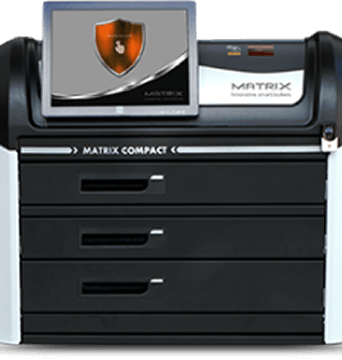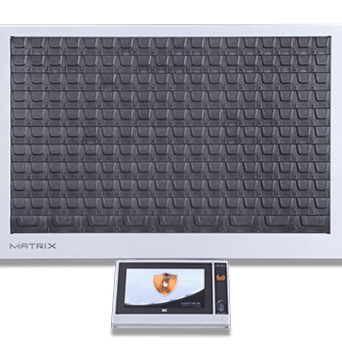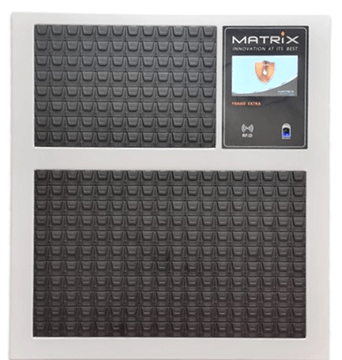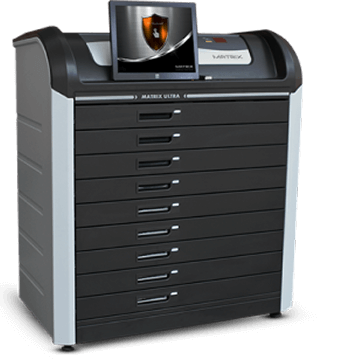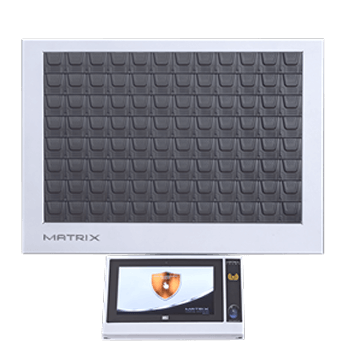
A professional Controlled Key System is an advanced security framework designed for organizations managing high-value assets and vehicle fleets. The primary difference between manual and electronic control lies in internal accountability (Audit Trails) and theft prevention. We recommend implementation when operational friction or lack of tracking begins to impact company revenue.
What is The Operational Necessity of Key Control Systems
In modern corporate environments, managing physical assets requires more than just a locked drawer. For high-stakes organizations, a key is not merely a piece of metal; it is an authorization credential for assets worth thousands, or even millions, of dollars. Companies operating without Controlled Key Systems often face significant wasted labor hours spent searching for missing keys and the lack of accountability when items go missing.
A professional system provides a concrete solution by creating a digital audit trail for every single interaction. When an employee retrieves a key, the system logs the user’s identity, the precise timestamp, and the intended use within the local database. This transforms key management from a passive storage problem into an active management tool that enhances personal responsibility and streamlines daily workflows.
Which Industries Benefit the most from Advanced Access Technology
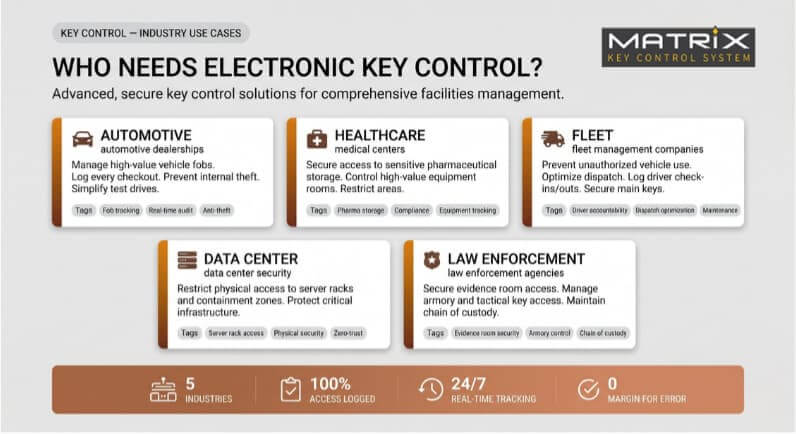
Several specific corporate industries require rigorous asset control due to the high financial value of their physical inventory. Organizations falling into these categories must implement strict tracking protocols to maintain daily operational efficiency. The following sectors represent the primary beneficiaries of advanced access control technology:
- Automotive Dealerships: Managing hundreds of vehicle fobs with a need for instant access during client test drives, while ensuring every fob is returned at the end of the day.
- Data Centers: Restricting physical access to specific server racks to prevent physical data breaches that digital firewalls cannot stop.
- Fleet Management and Logistics: Enforcing driver accountability and ensuring vehicle maintenance schedules are followed by controlling access to ignition keys.
- Law Enforcement Agencies: Securing evidence rooms and armories where the integrity of the chain of custody is a legal absolute.
- Public Medical Centers: Controlling access to sensitive pharmaceutical storage and restricted treatment areas to comply with healthcare regulations.
When to Invest in an Electronic Key Control System
Organizations must implement a strict system when their daily corporate operations begin to suffer from asset-related friction. While the initial investment in a high-end system like MATRIX may seem high, the ultimate financial tipping point occurs when time wasted searching for items directly affects the company revenue. For a large car dealership, even 15 minutes of searching for a fob during a busy sales shift can lead to a lost customer.
Beyond efficiency, it is also an absolute requirement when legal regulatory compliance mandates strict audit trails for restricted local areas. In medical centers or evidence rooms, a missing key isn’t just an inconvenience, it is a liability that could lead to massive fines or legal repercussions. If your organization cannot produce a report from its local server showing exactly who held a key at 3:00 PM last Tuesday, you have already passed the point where a professional system is needed.
How Many Keys Can an Electronic Key Locker Cabinet Accommodate?
The answer depends on the modularity of the provider. Professional grade systems eliminate capacity hurdles through modular expansion within your internal network.
| System Model | Capacity (Keys) | Best Use Case | Modular Support |
|---|---|---|---|
| Frame Mini | 32 | Small offices / Local server rooms | Yes |
| Frame Standard | 100 – 500 | Regional car dealerships / Hotels | Yes |
| Ultra System | Up to 1,782 | Large corporate headquarters / Logistics hubs | Full Integration |
MATRIX systems are modular. You can start with a compact Frame Mini for 32 keys and expand using the Ultra system to manage up to 1,782 keys. This ensures that the investment remains relevant as the organization’s inventory of physical assets grows, providing a long-term solution on your local infrastructure.
Fail-Safe Reliability: Performance During Power Disruptions
A frequent concern for high-security facilities (such as data centers or hospitals) is the system’s behavior during a power failure. Professional systems are engineered to handle these contingencies with sophisticated fail-safes. Professional systems are equipped with internal battery backups and secure manual-release mechanisms to guarantee access during emergencies. This ensures that authorized personnel can still access critical keys even during extended outages, while maintaining the physical integrity of the locked compartment.
Furthermore, because the system operates on a local database rather than a cloud-based service, all access logs and permissions are stored directly on the unit and the internal network. This means that even if an external internet outage occurs simultaneously with a power failure, the system’s integrity remains intact. Once power is restored, the local server automatically synchronizes all data collected during the backup period, ensuring that the audit trail is never interrupted and that security management remains entirely under the organization’s internal control.
Questions and Answers Regarding Controlled Key Systems
Is it possible to integrate these systems with existing HID badges?
Yes. Professional systems are designed to work with standard RFID and HID protocols, allowing employees to use their existing corporate credentials for key access without needing new cards.
Can I manage multiple locations?
Yes. Modern systems utilize centralized on-premise server software, enabling a security manager to monitor key movements across various branches via a secure corporate VLAN connection.
How does the system prevent a user from returning the wrong key?
Patented technology uses unique ID chips attached to each key tag. The system will not register a return unless the correct electronic tag is inserted into its designated slot.
What happens if a key is not returned on time?
The software can be programmed to send automatic alerts via email to managers if a specific key remains checked out beyond its permitted duration.
Does the system require an internet connection?
No. While the system can be networked, it is designed to operate locally on your internal LAN or VLAN. This ensures that security and access are never compromised by external network downtime or internet outages.
Are the cabinets resistant to physical tampering?
Yes, professional units are constructed from high-grade steel and feature reinforced doors and concealed hinges to prevent unauthorized forced entry.
Recommendation
Transitioning to a professional key control system is a strategic move that pays for itself through increased efficiency, total accountability, and the prevention of high-value asset theft. Whether you are managing a fleet of vehicles, a high-security data center, or a sprawling hospital campus, the ability to control who goes where and with what is the cornerstone of modern security.
Protect your assets and streamline your workflow with advanced on-premise modular systems. For a customized ROI analysis and to see how MATRIX Key Control Systems can integrate into your facility, contact us today via our website.