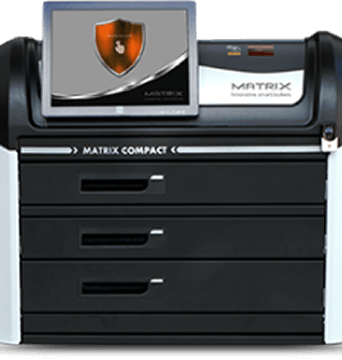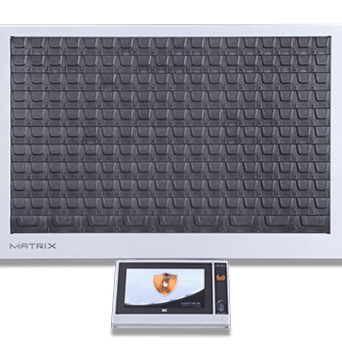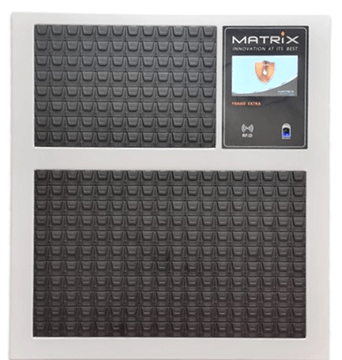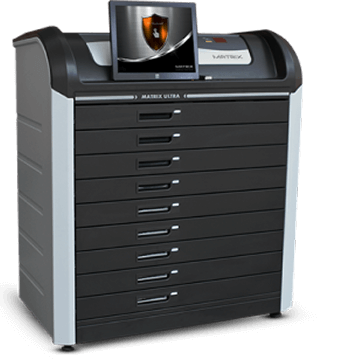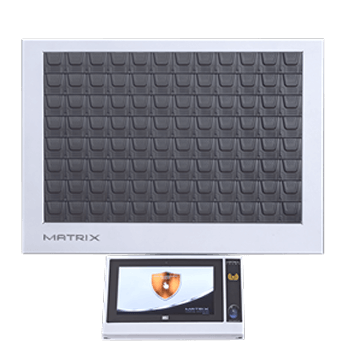
A key storage system is a secure, technology-driven solution designed to store, track, and control access to physical keys. Modern key storage systems combine hardware and local management software to ensure full accountability, immediate on-site monitoring, and enhanced organizational security.
Why Are Key Storage Systems More Important Than Ever?
In today’s operational environment, physical keys still play a critical role in securing assets, vehicles, facilities, and sensitive areas. However, traditional key cabinets and manual tracking methods are no longer sufficient. Organizations are dealing with larger infrastructures, higher security demands, and stricter compliance requirements. This shift has created a growing need for advanced key storage solutions that provide not only storage but also full control and visibility within the organization’s private network.
A modern key storage solution transforms a simple operational process into a strategic security layer. Instead of relying on trust or manual logs, businesses can monitor exactly who accessed a key, when it was taken, and when it was returned. This level of local control significantly reduces risks such as theft, loss, and unauthorized access.
What Is a Key Storage System and How Is It Different from Key Management?
A key storage system is often confused with key management, but there is a critical distinction. While storage refers to the physical safekeeping of keys, management includes tracking, permissions, reporting, and automation. A basic cabinet stores keys. A modern key storage system manages them.
Organizations are no longer satisfied with knowing where keys are stored. They need to know how keys are used, who accessed them, and whether policies are being followed. Advanced key storage systems bridge this gap by integrating intelligent management software with secure hardware, operating entirely on an internal local database.
How Do Key Storage Systems Work in Practice?
At their core, key storage systems operate through a combination of user authentication, controlled access, and immediate local tracking. Each interaction with the system is recorded in the local database, creating a full audit trail that enhances accountability.
The process typically begins with user identification. Employees authenticate themselves using methods such as PIN codes, RFID cards, or biometric verification. Once verified, the system grants access only to authorized keys based on predefined permissions.
When a key is removed, the system logs the action instantly on the local server. This includes the user identity, timestamp, and key ID. The same process occurs when the key is returned. This continuous local monitoring ensures that organizations always have full visibility into key usage across their internal infrastructure.
In advanced key storage solutions, this data is accessible through a centralized management interface within the corporate VLAN, allowing managers to oversee various branches and generate detailed reports without exposing data to the public internet.
Core Features of Advanced Key Storage Systems
Modern key storage systems are designed to deliver both security and operational efficiency. They combine physical protection with digital intelligence, creating a comprehensive on-premise solution.
Key Functional Capabilities:
- Immediate local logging of every key movement
- Full audit trail with user-level accountability stored on-site
- Role-based access permissions
- Automated email notifications for overdue or missing keys
- Integration with local access control and security systems
Physical and Technological Components:
- Individually locked compartments
- RFID-enabled key tagging
- Tamper-resistant cabinets
- Modular hardware designs scalable through LAN/VLAN
Industry Use Cases for Key Storage Solutions
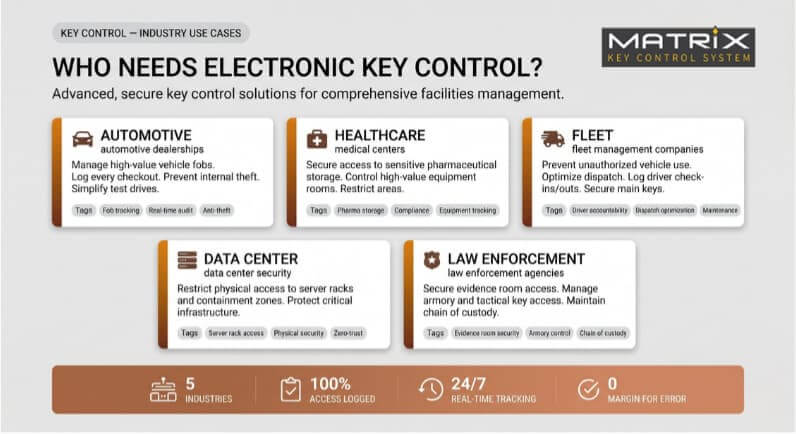
In automotive dealerships, managing hundreds of vehicle keys is streamlined through a centralized local system, allowing staff to locate keys instantly via the internal network.
Fleet management companies use key storage solutions to ensure vehicles are accessed only by authorized drivers, managing the process through a secure local database to reduce liability.
In the hospitality industry, hotels rely on on-premise key storage to manage room keys and maintenance access, ensuring guest safety while keeping all access data within the hotel’s private network.
Universities and large campuses benefit from networked key storage solutions that manage access to classrooms and labs across multiple buildings via a secure corporate VLAN.
Law enforcement agencies use advanced on-premise systems to control access to evidence rooms and secured facilities, where data sovereignty and local accountability are critical.
Business Benefits of Implementing Key Storage Systems
Adopting a modern on-premise key storage solution delivers measurable business value. Organizations experience a significant reduction in lost keys, saving costs associated with rekeying locks and replacing assets.
Operational efficiency improves as employees spend less time searching for keys. The system automates these processes, allowing staff to focus on higher-value tasks while managers receive automatic updates via email.
Accountability becomes a built-in feature. Every action is recorded locally, making it easy to identify misuse. This transparency strengthens internal processes and helps organizations meet strict industry compliance requirements through secure local audit logs.
Key Storage Systems vs Traditional Key Cabinets
- Traditional cabinets rely on manual tracking, which is prone to errors.
- Modern key storage solutions provide automated local tracking and reporting.
- Traditional methods offer minimal access control.
- Modern solutions provide controlled access based on permissions managed via the internal network.
- Traditional systems have no visibility; modern systems offer immediate on-site monitoring across the VLAN.
Types of Key Storage Systems
Electronic key storage systems introduce controlled access and basic tracking features, suitable for organizations that need improved security through local hardware.
Networked VLAN-based solutions provide centralized management across multiple branches. By utilizing the organization’s private virtual network, they allow secure monitoring and reporting without the risks associated with cloud services.
RFID-based systems represent the most advanced category. These systems use smart tagging to track keys automatically within the local management software, ensuring maximum accuracy.
What Affects the Cost of a Key Storage Solution?
The cost of a key storage system varies depending on the number of keys, the level of hardware security, and the complexity of the local network integration. Advanced on-premise solutions that scale across a corporate VLAN are a strategic investment, justified through improved efficiency and the elimination of data security risks inherent in external platforms.
How to Choose the Right Key Storage System
Organizations must assess the volume of keys and the level of local control required. Security requirements should be evaluated, with high-risk environments prioritizing biometric authentication and secure on-site server integration. The chosen system must be intuitive for employees while maintaining strict local security protocols and seamless integration with existing on-premise infrastructure.
Common Mistakes When Managing Keys
- Relying on manual logs instead of automated on-site systems.
- Allowing unrestricted access to keys without local permission levels.
- Failing to track key usage consistently through a central local database.
- Ignoring the importance of local audit and reporting capabilities.
FAQ about Key Storage Systems
What is a key storage system?
A key storage system is a secure solution for storing and managing physical keys with full tracking and access control within a private network.
Can key storage systems manage multiple locations?
Yes, networked solutions can manage multiple branches via a secure corporate VLAN, providing centralized local control without using cloud services.
How do I receive alerts?
Advanced systems can send automatic notifications directly to authorized personnel via email for any security or usage exceptions.
Conclusion
A modern key storage system is a necessity for organizations that want to maintain security and gain full control over their operations. By transitioning to advanced on-premise solutions, businesses can eliminate risks, streamline workflows, and ensure complete accountability through their own internal infrastructure.
Matrix Key Control offers advanced key storage systems designed to meet the highest standards of performance and security on your local network. Contact Matrix Key Control today via our website to discover how our solutions can transform your business.